Light, neutral-coloured clothing (khaki, beige, olive), a warm jacket for mornings/evenings, comfortable closed shoes, hat, sunscreen, sunglasses, insect repellent, swimwear, and your camera/binoculars. Avoid bright colours and camouflage patterns. Summers is Africa are generally hot but the mornings and evenings can be cool. Summer months, October-April, bring cool clothing and a rain jacket. In Winter, May – September the days are warm but the evenings and early mornings can be cold, here layers are your best friend.
Want to get in touch?
Whether you have questions about our safari tours, destinations, or travel logistics, our team is here to help you plan a safe, seamless, and unforgettable journey across Africa. Please reach out and we’ll guide you toward the safari that best suits your style and sense of adventure.
Go on safari with us!
Tell us which tours you are interested in, and our team will help you shape it into an unforgettable, tailor-made journey.

Check out our frequently asked questions
Safari is great year-round, but the dry season (generally May–October in Southern Africa) offers the best wildlife viewing. Water is scarce, so animals gather at rivers and waterholes. The weather is also more pleasant and mild with warm days and cool/cold mornings and evenings with minimal rain. However, if you are a birder and ant to see greenery then Summer is your time, the bush is lush and green, all the migrant birds have arrived and most of the herbivores have little ones but, having said all of this, sightings and game viewing can be more difficult due to the lush vegetation, water availability and heat and rain.
Very safe when following your guide’s instructions. Guides are trained and experienced in animal behaviour. Staying seated, quiet, and calm ensures a safe and enjoyable experience.
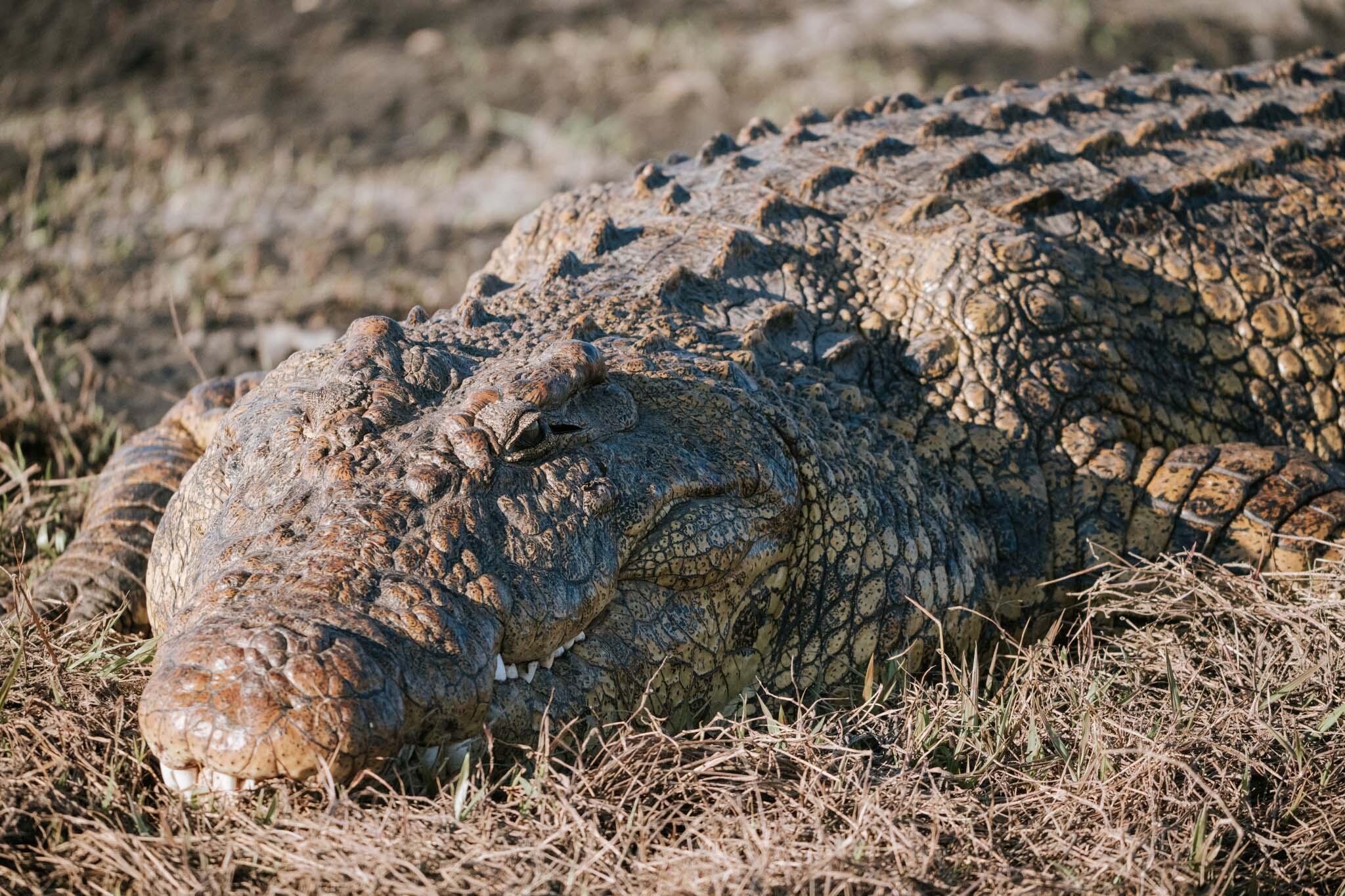
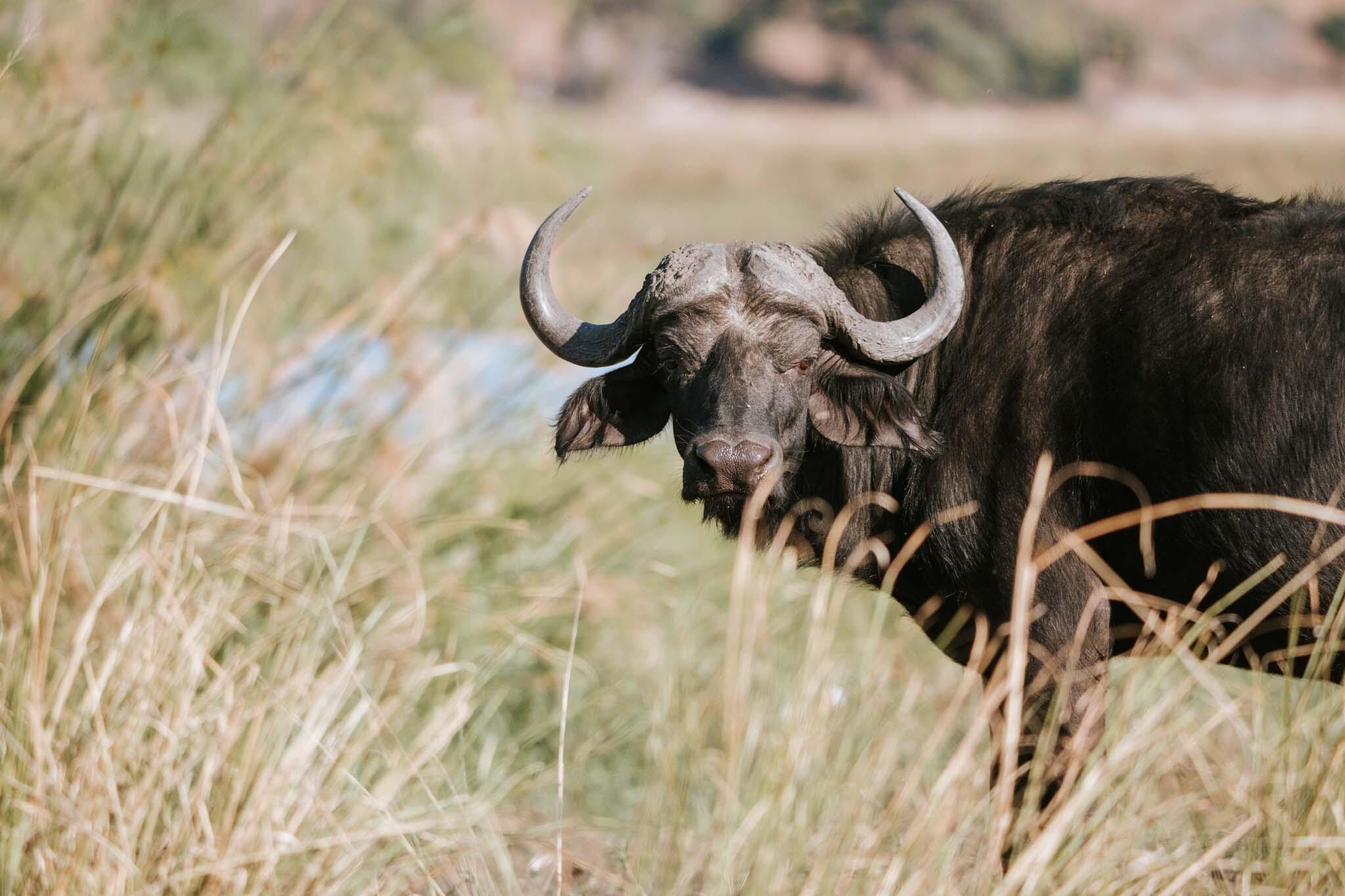
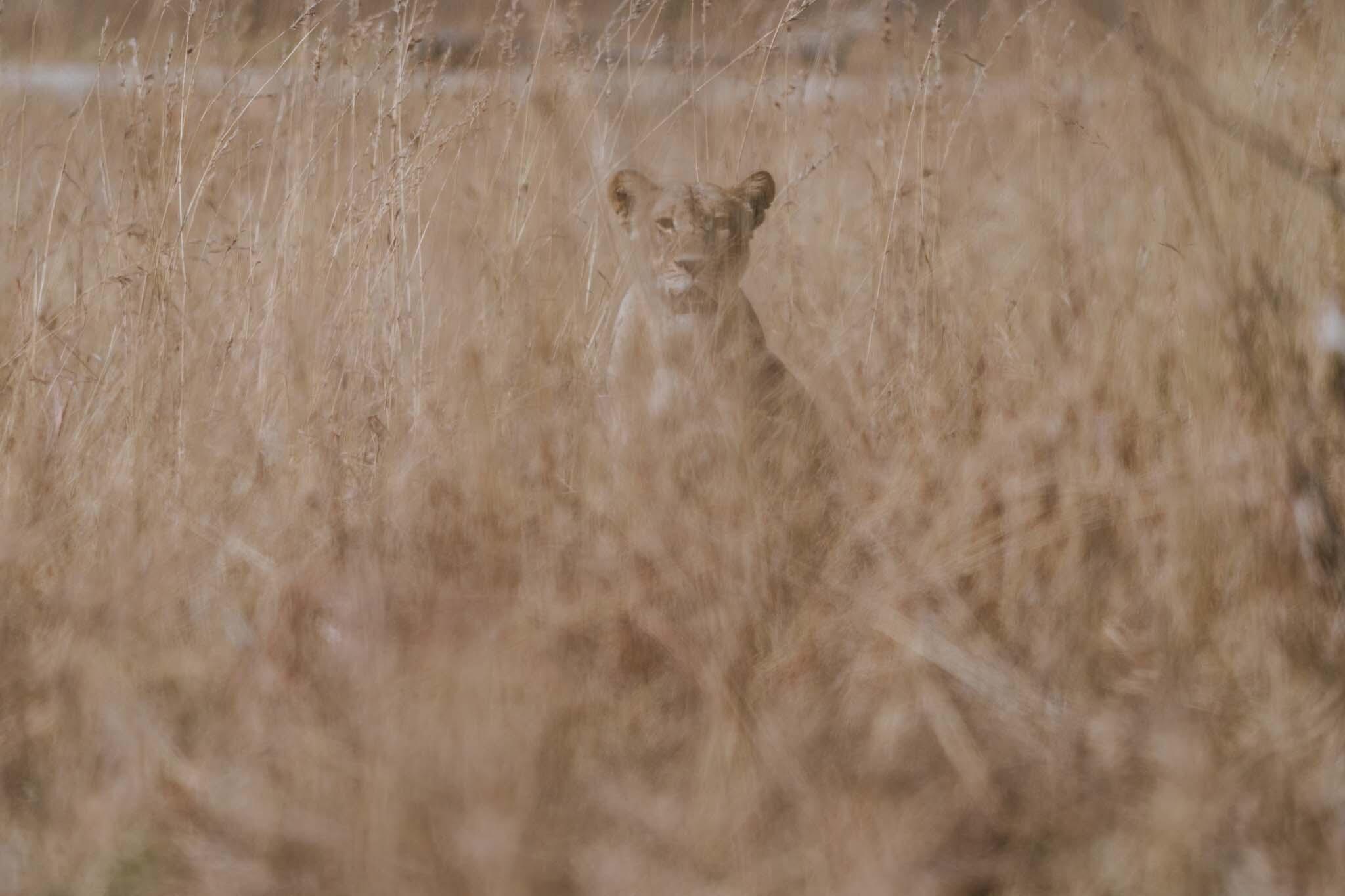
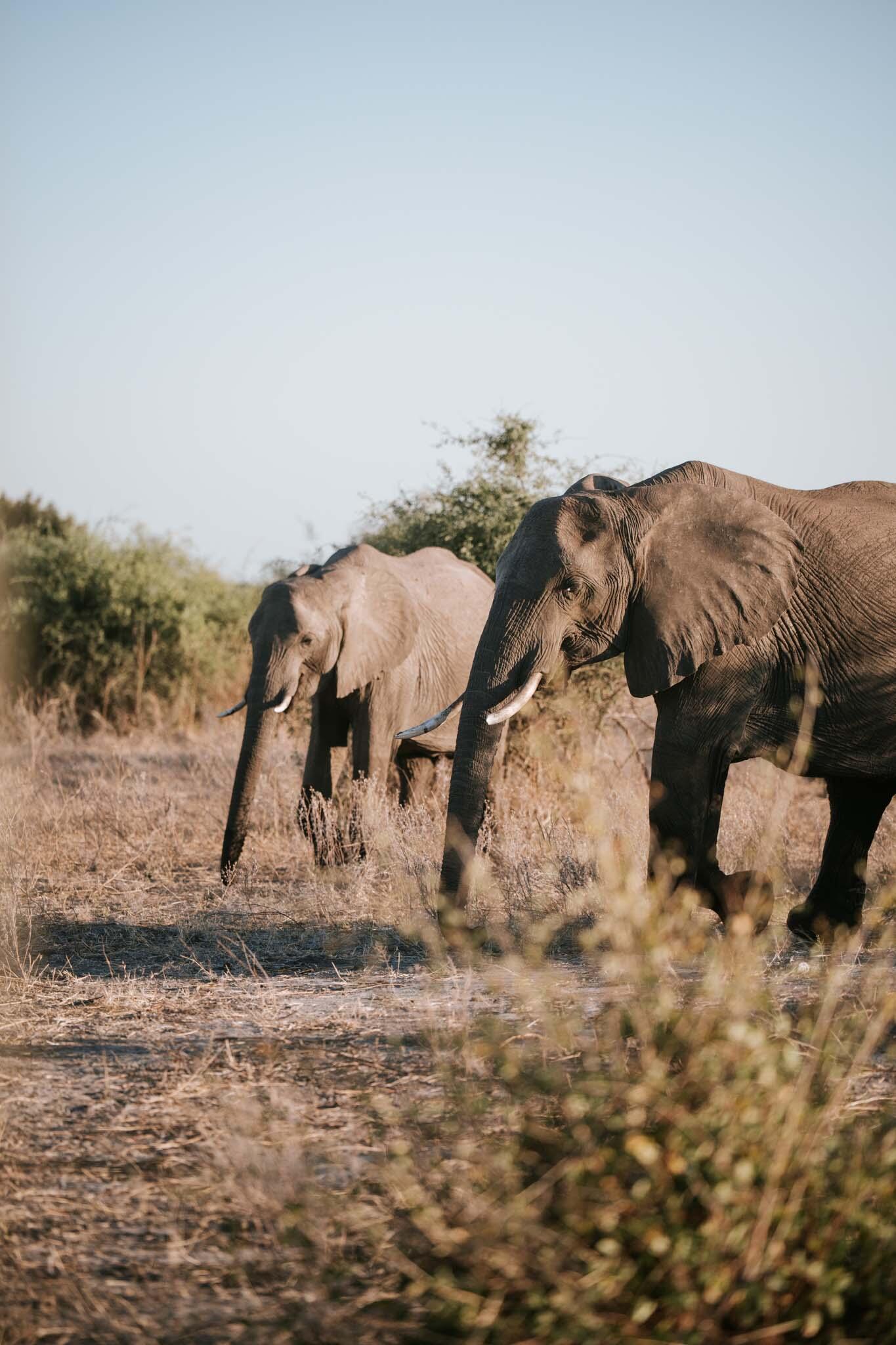
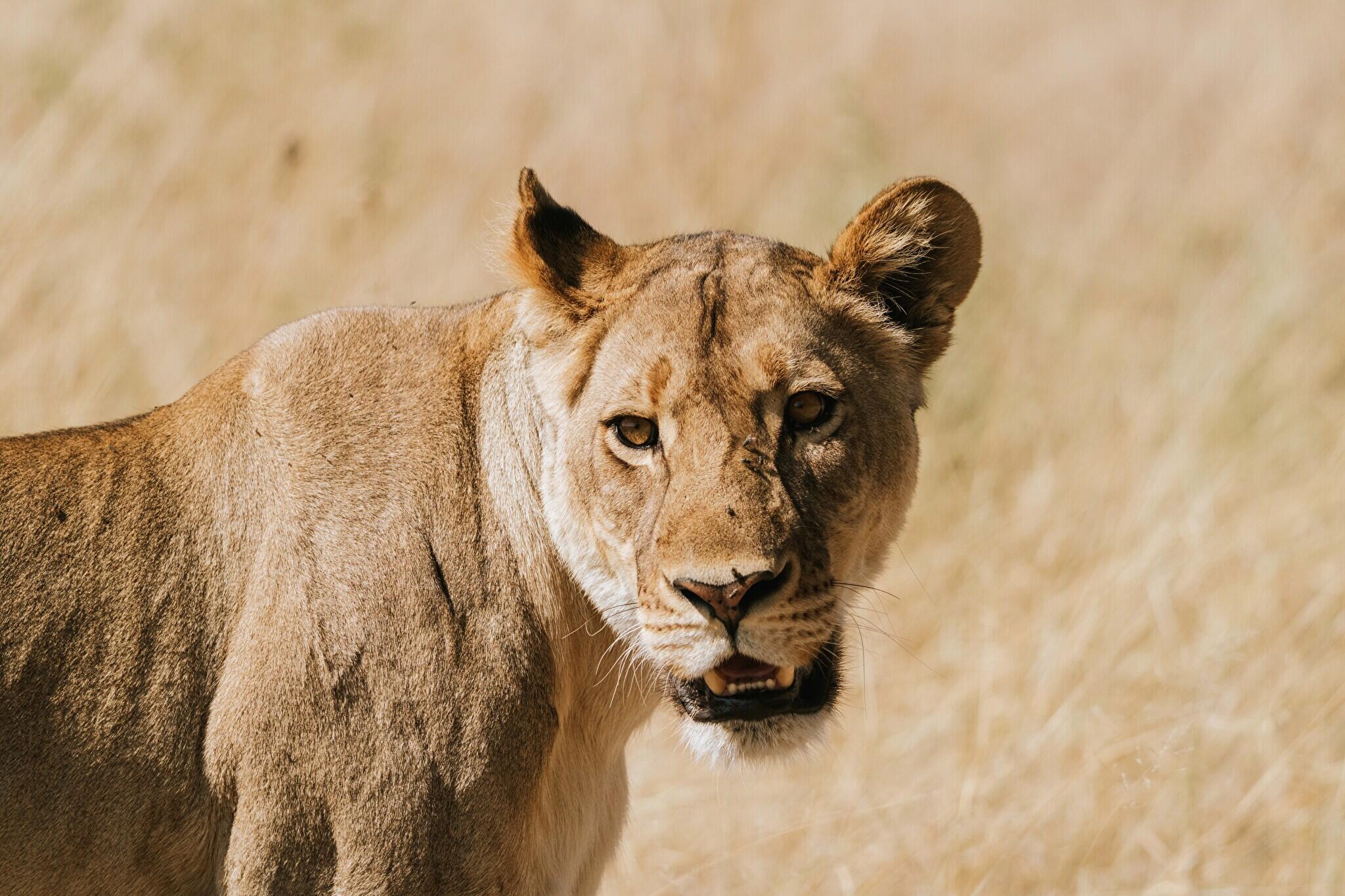
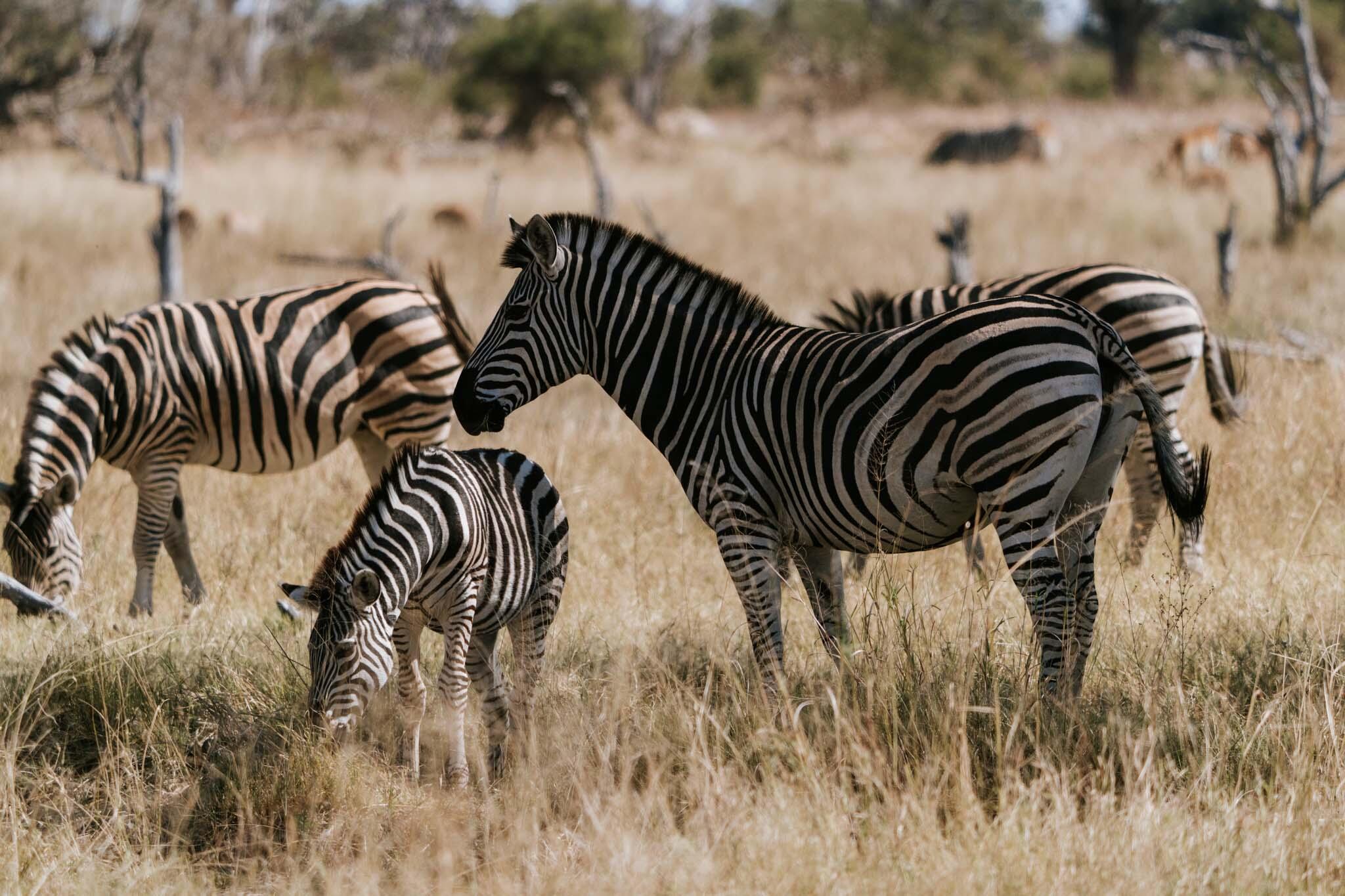
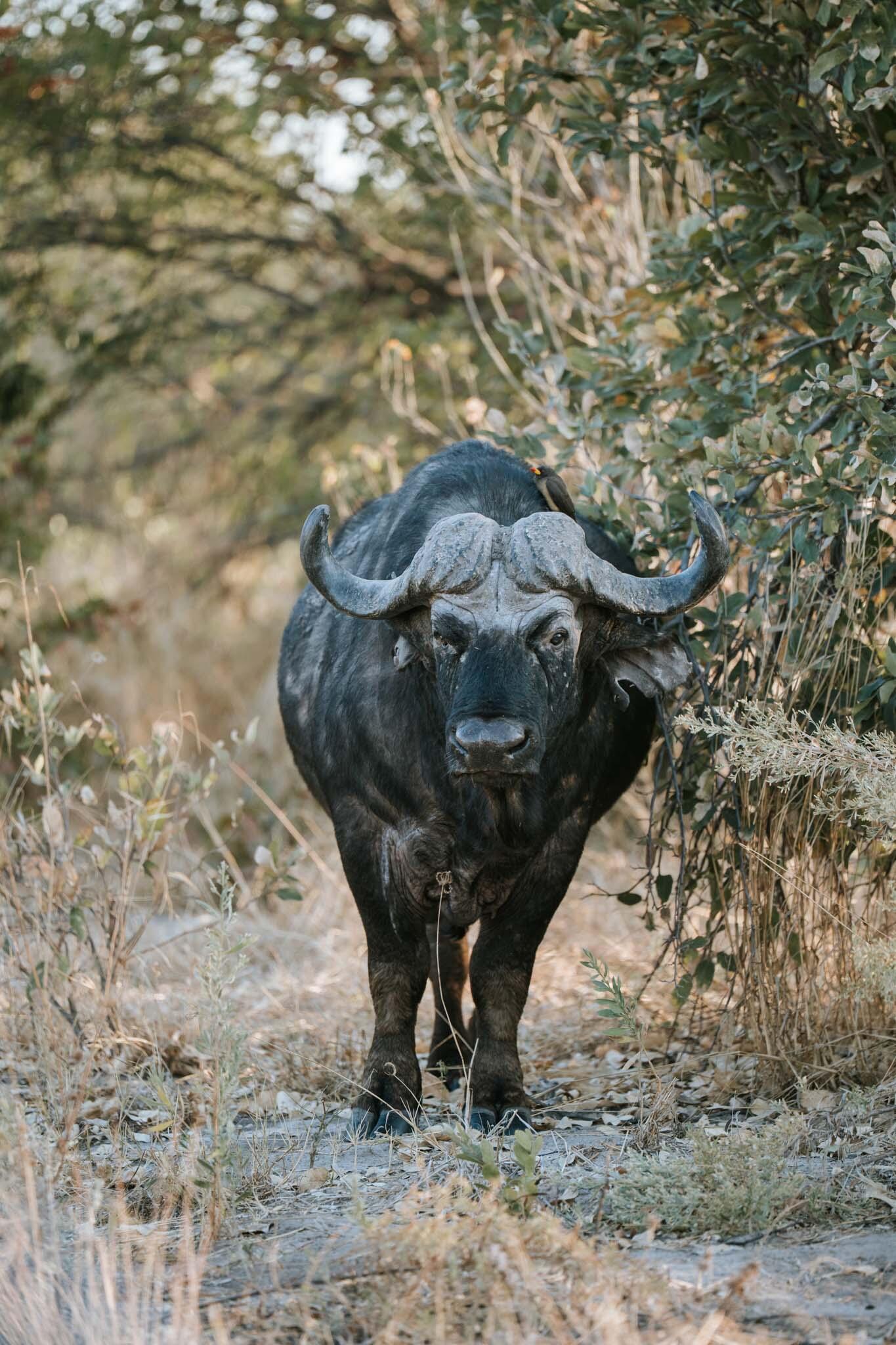
This is largely dependent on which areas/reserves you are visiting. Sightings vary daily and are never guaranteed, but most reserves offer Big 5 (lion, leopard, elephant, rhino, buffalo), plus giraffe, zebra, numerous antelope species, hippo, crocodile, and an incredible range of birds. Game viewing depends largely on luck and being in the right place at the right time. Some days are productive, and some days are quiet, but in the bush there are always hidden delights.
This depends on the lodge/reserve. Some lodges allow children of all ages, while others have minimum age limits for game drives (usually 6–12 years). Always let us know, so we can check in advance.
Typically, and again largely dependent on what type of safari you have booked, the daily schedule will be:
- Early morning game drive (sunrise to mid-morning)
- Breakfast/brunch
- Rest time / pool time / optional activities
- Afternoon tea
- Sunset game drive
- Dinner under the stars
Yes and no. Safari vehicles blend into the environment, allowing animals to ignore them. Guides keep safe and respectful distances at all times. This is also largely dependent on the area and specific animals. In areas with high game vehicle densities the animals are fairly relaxed in the presence of vehicles but, in more wild areas, game can still be uneasy in the presence of vehicles. This depends on many factors. Often this is left up to your guides discretion, if they feel that the animal is relaxed and you are not intruding or negatively affecting the animal’s behaviour, your guide will try to get you close to the animal in question. However, animal and guest well being is always top priority. Sometimes viewing animals from a safe distance without putting unnecessary pressure on the animal is better.
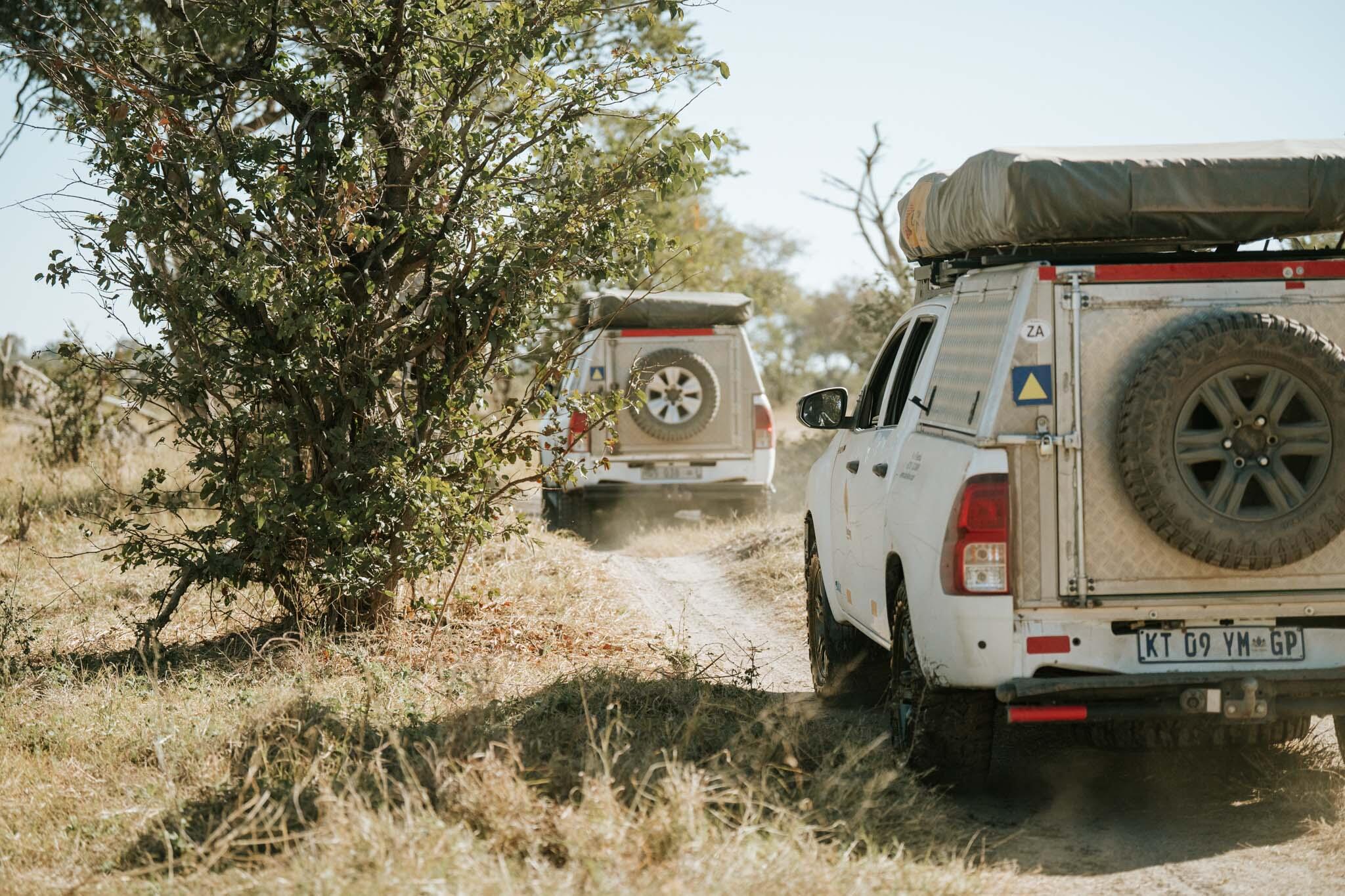
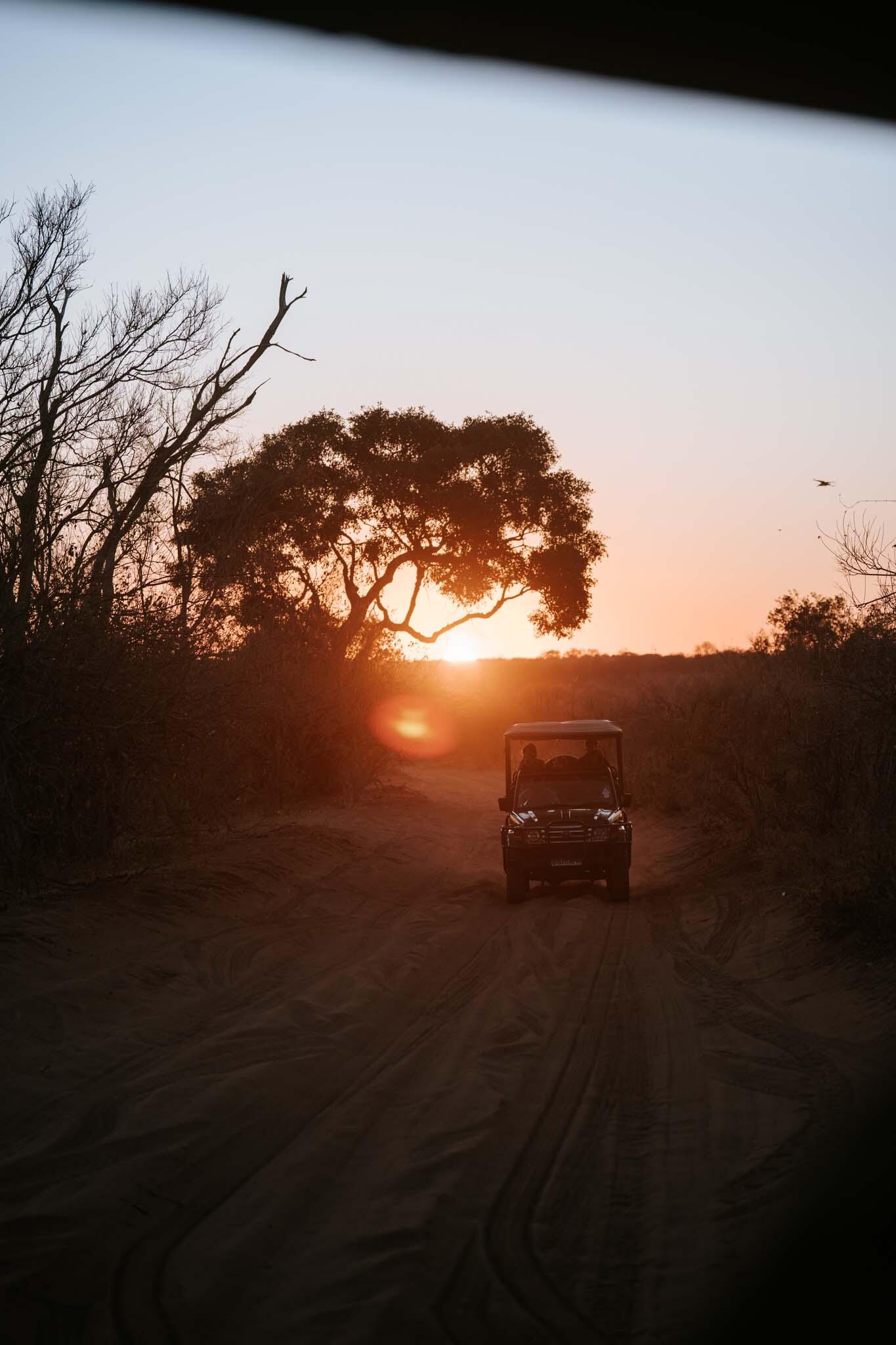
Most drives use open 4x4 safari vehicles with tiered seating. These offer excellent visibility and photographic opportunities.
Game drives continue in most conditions. Vehicles carry ponchos/blankets, and lodges adjust plans where needed. Animals are often active in cooler or drizzly weather.
In some regions, yes. Ask your doctor about malaria prophylaxis. Lodges generally provide mosquito nets, repellent, and take precautions to minimise risk.
Most lodges offer Wi-Fi in common areas, though speeds may vary due to remote locations. Some camps have limited or no connectivity for a more immersive experience.
Absolutely. Most lodges cater to vegetarian, vegan, gluten-free, halal, and other needs — please notify us in advance.
For game drives, very little fitness is required. Walking safaris or bush walks require moderate fitness and are optional. However, being in good health allows you to enjoy the experience a lot more and make the most of your safari. Also, many safari areas are a good distance from medical care.
Some lodges use purified water, but many recommend drinking bottled or filtered water provided to guests.
Tipping is customary. Guidelines:
- Rangers/Guides: $10–$20 per person per day.
- Trackers: $5–$10 per person per day.
- Lodge staff: $5–$10 per person per day (often added to a communal box).
While sightings are common in Big 5 reserves, nothing is guaranteed. Nature is unpredictable — but that’s part of the magic!
These are mandatory fees charged by reserves or national parks to support wildlife conservation and anti-poaching initiatives.
Drones are strictly prohibited in most reserves, national parks, and private concessions for safety and animal welfare reasons.
Routine vaccinations should be up to date. Some countries require or recommend Yellow Fever vaccination depending on travel routes. Please check with a travel clinic.
- National parks: Larger, more public, self-drive options.
- Private reserves: Limited vehicles, off-road viewing allowed (in many cases) more exclusive experiences.
- Kruger National Park
- A Kruger National Park full day safari offers the classic, wide-open African wilderness experience. You explore vast public areas with an incredible diversity of landscapes and wildlife, often covering long distances and enjoying the freedom of a huge, wild ecosystem. However, you are limited in terms of only using public roads and no offroad driving, vehicle densities can be limiting. However the quantities of game you see are generally more than on private reserves but the quality of those sightings could be lower but also just as high if lucky.
- Greater Kruger: Pridelands and Olifants concessions
- A private concession open to Kruger gives you the same wildlife-rich environment but with added exclusivity. With fewer vehicles, access to restricted roads, and the ability to do off-roading for special sightings, you enjoy more intimate encounters and a more personalised guiding experience, while still being in Kruger’s untouched wilderness.
- Private Game Reserve: Rietspruit
- A private reserve offers a completely different atmosphere again. Here, private landowners have full control over their land, sightings are highly curated, vehicles are limited, and tracking on foot or by vehicle is often world-class. The experience feels more exclusive, slower-paced, and deeply immersive.
Each of the above options offers something unique, Kruger’s scale, concessions’ exclusivity within the park, and private reserves’ tailored, intimate approach. Doing all three gives you the full safari picture and a richer understanding of Africa’s wildlife and wilderness.